
Glass & Window Tips & Info
Why Residential Windows Get Foggy & What It Means
Most homeowners think foggy windows are just annoying. A little haze, a blurred view — nothing serious. But that moisture tells a story. And if we're not paying attention, we're missing warning signs that can cost us down the line. Windows don't fog up for no reason. There's always a source, and the location of that condensation matters more than most people realize.
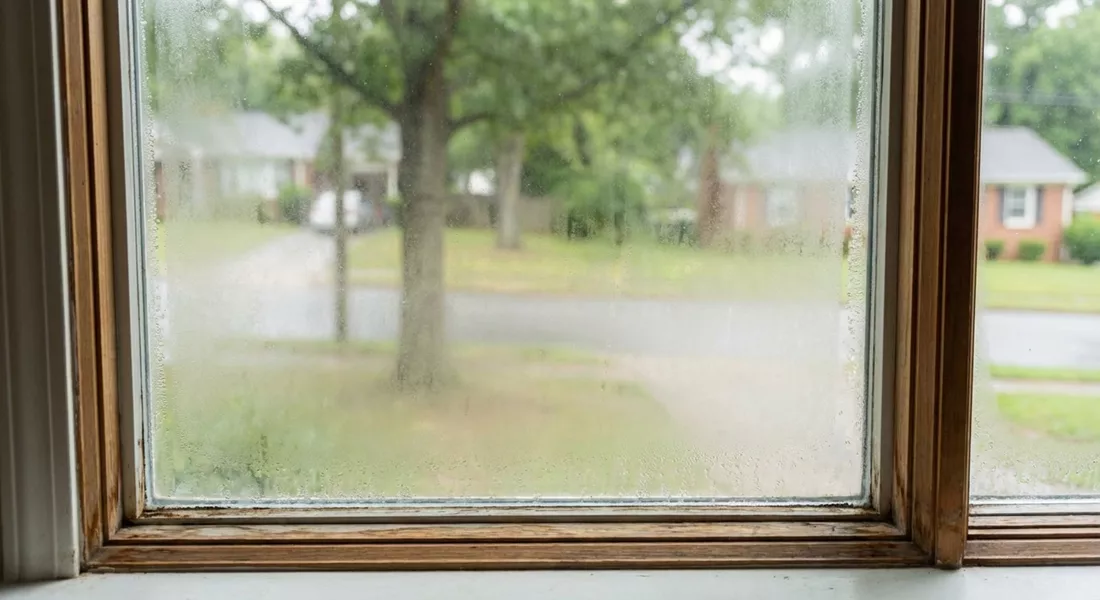
So here's what we need to understand. If moisture is showing up on our glass, something in our home environment or window system has shifted. It might be humidity we can control. It might be a seal that's already failed. Either way, ignoring it doesn't make it go away — it just gives the problem more time to grow.
Where the Moisture Shows Up Changes Everything
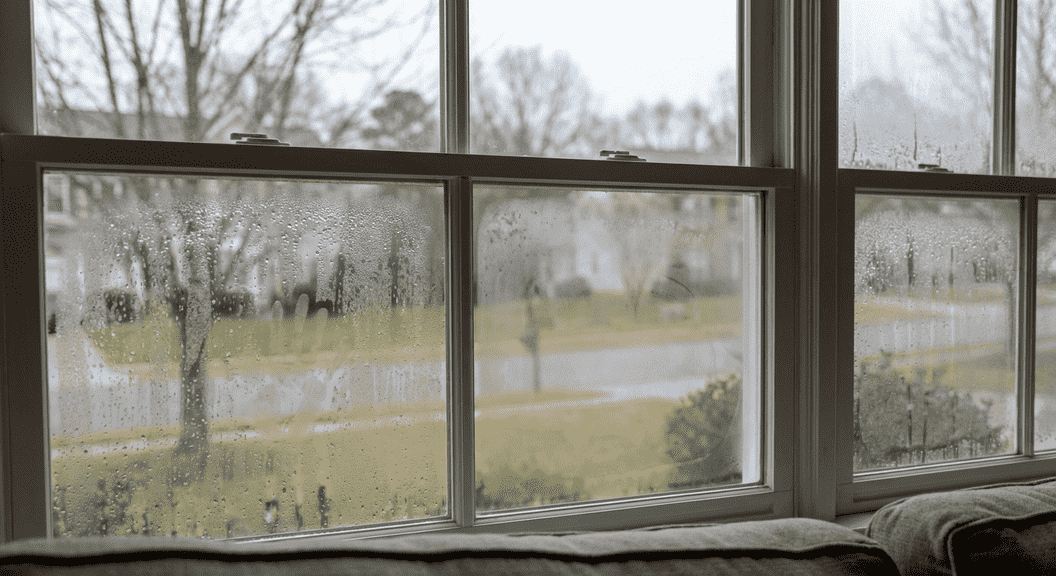
Not all fogging is created equal. The side of the glass where condensation appears tells us exactly what's going wrong. Interior fog points to one issue. Exterior moisture points to another. And when it's trapped between panes? That's a different beast entirely.
We can't fix what we don't diagnose correctly. And the first step is knowing where to look and what each location actually means for our windows and our home.
Interior Condensation Points to High Humidity
When fog builds up on the inside surface of our windows, we're dealing with too much moisture in the air. Cooking, showering, laundry, even just breathing — all of it adds water vapor to our indoor environment. When that humid air hits cold glass, it condenses. Simple physics, but the consequences aren't always simple.
A little condensation now and then? That's normal, especially in winter. But if we're wiping down windows daily or seeing water pooling on sills, we've crossed into problem territory. High indoor humidity doesn't just fog glass — it feeds mold, warps wood, and damages drywall. The window is just the messenger.
- Run exhaust fans: Kitchens and bathrooms generate the most moisture. Venting it outside makes a real difference.
- Crack a window: Even a small opening helps humid air escape and fresh air circulate.
- Use a dehumidifier: If ventilation isn't cutting it, pulling moisture out mechanically keeps levels in check.
- Check for leaks: Plumbing issues or roof leaks can pump hidden moisture into our living space.
- Monitor humidity levels: A simple hygrometer shows us when we're above the safe zone, usually around 30-50%.
Exterior Fogging Usually Means Nothing
Condensation on the outside of our windows? That's actually a good sign. It means our glass is colder than the outdoor air — which tells us our windows are doing their job and keeping conditioned air inside where it belongs.
This type of fog typically shows up in early morning or late evening when outdoor humidity is high and temperatures drop. It burns off as the sun comes up or conditions shift. No action needed. No damage happening. Just physics playing out on the exterior surface.
Fog Between Panes Means the Seal Failed
This is the one that matters. When moisture gets trapped between the glass layers of a double- or triple-pane window, the insulating seal has broken down. That space between panes is supposed to be airtight — often filled with argon or another insulating gas. Once the seal fails, outside air and moisture creep in.
We can't wipe this fog away. It's locked inside the unit. And it's not just a cosmetic problem. That failed seal means our window has lost its insulating power. Heat transfers more easily. Energy bills climb. And the longer we wait, the worse the fogging gets as more moisture accumulates inside. Understanding when it's time for window glass replacement can help homeowners address these issues before they escalate further.
- Seal failure is permanent: Once it's broken, it won't reseal itself. The unit needs repair or replacement.
- Age accelerates the issue: Older windows are more prone to seal breakdown, especially if they've been exposed to extreme temperature swings.
- UV exposure weakens seals: Windows facing direct sunlight degrade faster as UV rays break down sealant materials over time.
- Poor installation compounds the problem: If windows weren't installed correctly from the start, seals fail sooner.
- Manufacturer defects happen: Some windows come with weak seals right out of the box, which is why warranties matter.
Energy Bills Reflect What Windows Hide
Foggy windows don't just block our view — they drain our wallet. When seals fail and insulation drops, our heating and cooling systems work overtime to compensate. We're paying to condition air that's leaking through compromised glass. Many Charlotte homeowners discover that insulated glass replacement is the most effective solution for restoring energy efficiency.
The difference might not show up overnight, but over months and years, failed windows add up. Especially in climates with harsh winters or brutal summers. We're essentially throwing money at a problem that only gets worse the longer we ignore it.
- Insulation value drops: A failed seal can cut a window's R-value in half or more.
- Drafts increase: Even if we don't feel air movement, thermal transfer is happening.
- HVAC systems strain: Furnaces and air conditioners cycle more frequently to maintain temperature.
- Hot and cold spots develop: Rooms with failed windows feel noticeably different from the rest of the house.
- Resale value takes a hit: Buyers notice foggy windows, and it raises questions about maintenance and energy costs.
Replacement Beats Repair in Most Cases
Some companies offer defogging services or seal repairs, but the results are hit or miss. Drilling holes to release moisture and injecting new sealant might clear the fog temporarily, but it rarely restores full insulating performance. And it doesn't address why the seal failed in the first place.
Replacing the glass unit — or the entire window if the frame is also compromised — gives us a fresh start. Modern windows come with better seals, stronger materials, and warranties that actually mean something. It's an investment, but one that pays back in comfort, efficiency, and peace of mind. For homeowners exploring their options, learning about why insulated glass replacement is a smart choice provides valuable insight into long-term benefits.
- Glass-only replacement works if frames are solid: We can swap out just the insulated glass unit and keep existing frames.
- Full window replacement makes sense for older homes: If frames are warped or rotting, replacing everything is the smarter move.
- Energy-efficient upgrades qualify for rebates: Many utility companies and government programs offer incentives for window improvements.
- Low-E coatings add value: These coatings reflect heat while letting light through, boosting efficiency year-round.
- Proper installation is non-negotiable: Even the best windows fail if they're not installed correctly, so we need pros who know what they're doing.
Prevention Starts with Awareness
We can't stop windows from aging, but we can slow the process. Keeping humidity in check, maintaining proper ventilation, and inspecting seals regularly all help extend window life. And when we do spot fogging, acting fast keeps small problems from becoming expensive ones. Homeowners can explore professional glass services to address issues before they worsen, and reviewing completed project examples can help set realistic expectations for results.
Foggy windows aren't just a nuisance — they're a signal. One that tells us our home's envelope isn't performing the way it should. We can either respond to that signal or wait until the damage spreads. The choice is ours, but the consequences aren't negotiable. For those ready to take action, reaching out through a quote request is the first step toward restoring clarity and efficiency. Clear glass means clear performance. Anything less, and we're compromising comfort, efficiency, and value every single day.
Let’s Restore Clarity to Your Home
We all deserve to enjoy a clear view and a comfortable, energy-efficient home. If you’re noticing persistent foggy windows or suspect a seal failure, let’s tackle the issue together before it leads to bigger headaches. Give us a call at 704-778-7859 to talk through your options, or request a quote and see how we can help bring lasting clarity back to your windows.
‹ Back
Recent Posts
-

-
How Table Top Glass & Mirrors Can Transform Interior Spaces
April 30, 2026
-
How Custom Mirror Replacement Can Update Charlotte Homes
April 16, 2026
-

-
Why Residential Windows Get Foggy & What It Means
March 19, 2026